
How Closed, Automated Production Systems Improve Pet Food Safety, Consistency, and Traceability
Introduction
The global pet food industry is entering a new era where fully automated pet food manufacturing is becoming the benchmark for premium quality, food safety, and production consistency. As international regulations continue to tighten and consumers demand safer, more transparent products, pet food brands are placing greater emphasis on selecting an OEM pet food manufacturer with advanced automation, rigorous pet food quality control, and complete farm-to-bowl traceability.
Modern automated pet food production is no longer focused solely on increasing output. Instead, it integrates intelligent process control, closed manufacturing environments, real-time monitoring, and digital batch traceability to reduce contamination risks while improving nutritional consistency and manufacturing precision. According to industry forecasts, the global pet food market is expected to continue expanding steadily over the next decade, driving manufacturers to invest in smart factories capable of delivering both scalability and consistently high quality.
However, one important misconception still exists: automation alone does not guarantee premium pet food. The world’s leading manufacturers combine fully enclosed automated production with strict raw material control, internationally recognized food safety systems, batch-by-batch quality verification, and data-driven manufacturing management. Only when these systems work together can manufacturers consistently produce safe, reliable, and export-ready pet food for global brands.
This white paper explores how fully automated pet food manufacturing, intelligent quality management, and integrated traceability systems work together to improve product safety, reduce production risks, and deliver the consistent quality expected by today’s international OEM and private label customers. Drawing on industry best practices and the manufacturing experience of Pet Secret Biotechnology Co., Ltd., this guide explains why automation should be viewed as part of a complete quality ecosystem rather than a standalone competitive advantage.
What Is a Fully Automated Pet Food Production Line?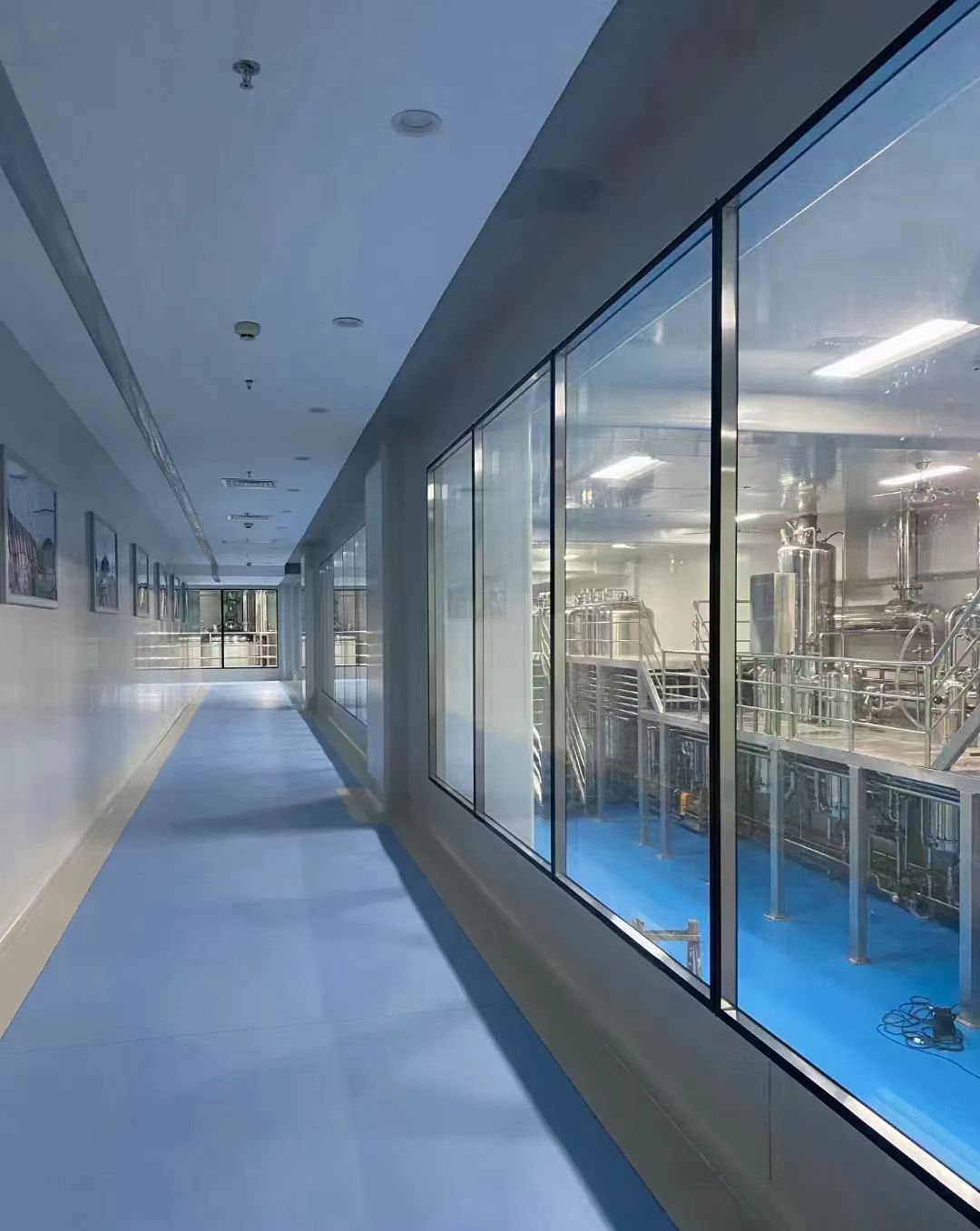
A fully automated pet food production line integrates intelligent equipment, centralized process control, automated material handling, and digital quality monitoring into a continuous manufacturing system.
Rather than relying on manual movement of ingredients or products between processing stages, automation allows every critical operation to be monitored and controlled with minimal human contact.
A modern automated production line typically includes:
- Automatic raw material receiving
- Intelligent weighing systems
- Computer-controlled ingredient batching
- High-speed mixing
- Extrusion cooking
- Controlled drying
- Vacuum coating
- Automated cooling
- Metal detection
- Automatic weighing
- Robotic packaging
- Palletizing
- Warehouse management
Each production stage is digitally recorded, making every batch fully traceable.
Why Automation Matters for Pet Food Safety
Food safety is one of the primary reasons leading manufacturers invest heavily in automation.
Human contact remains one of the most common sources of contamination during food production.
Research published by food safety organizations has shown that reducing unnecessary manual handling significantly lowers the risk of:
- Cross contamination
- Foreign object contamination
- Microbial contamination
- Labeling errors
- Batch mixing mistakes
Closed automated systems reduce these risks because raw materials remain inside enclosed equipment throughout production until final packaging.
The result is a cleaner and more controlled manufacturing environment.
Consistency Is Impossible Without Automation
One of the biggest challenges in pet food manufacturing is maintaining nutritional consistency across thousands of tons of production.
For example, even a small variation in ingredient weighing can change:
- Protein levels
- Fat content
- Mineral balance
- Vitamin concentration
- Product texture
- Palatability
Modern automated batching systems are capable of weighing ingredients with accuracy measured in grams, dramatically reducing formulation deviations compared with manual operations.
Digital control systems continuously monitor:
- Mixing time
- Mixing speed
- Moisture
- Temperature
- Pressure
- Extrusion parameters
This ensures every production batch follows the same validated process.
For international OEM customers, production consistency is often as important as ingredient quality.
Automation Improves Traceability
Traceability has become a critical requirement for global pet food trade.
International food safety systems including HACCP and ISO 22000 emphasize the importance of recording every production step.
An automated factory can record:
- Ingredient supplier
- Raw material batch
- Production date
- Equipment used
- Operator verification
- Processing parameters
- Packaging records
- Finished product batch number
If quality issues arise, manufacturers can quickly identify affected batches rather than recalling large quantities of products.
Efficient traceability protects both consumers and brand owners.
Reduced Human Contact Means Lower Contamination Risk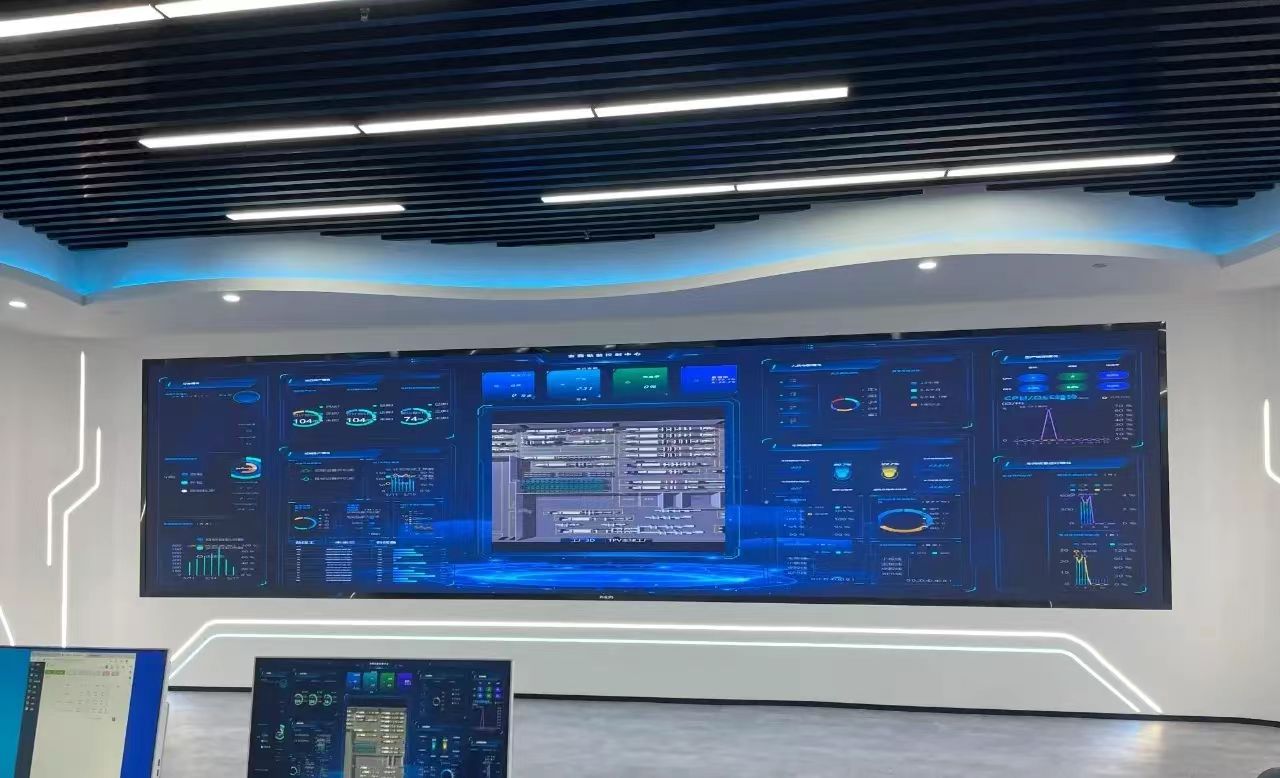
Modern food factories increasingly adopt closed production environments.
This principle has become common in pharmaceutical manufacturing and is now widely used in premium pet food production.
Reducing unnecessary human contact helps prevent:
- Dust contamination
- Hair contamination
- Foreign materials
- Environmental microorganisms
Automated conveying systems eliminate repeated manual transportation between equipment, reducing exposure to the surrounding environment.
Automation Supports Higher Production Capacity Without Sacrificing Quality
Global pet food brands require suppliers capable of delivering large volumes while maintaining stable quality.
Automation allows manufacturers to:
- Increase production efficiency
- Improve scheduling
- Reduce production downtime
- Minimize human error
- Maintain consistent product quality
Unlike manual production, automated systems continue operating with highly standardized performance over extended production cycles.
This is particularly important for OEM projects where identical quality must be maintained across multiple shipments.
Intelligent Process Control Makes a Difference
Modern pet food factories increasingly use centralized control systems to monitor production in real time.
Process control software continuously tracks critical parameters including:
- Temperature
- Moisture
- Steam pressure
- Mixing ratio
- Production speed
- Equipment status
Operators receive immediate alerts if any parameter exceeds preset limits, allowing corrective action before product quality is affected.
This level of precision is difficult to achieve in traditional manual production.
How Pet Secret Biotechnology Applies Automated Manufacturing
At Pet Secret Biotechnology Co., Ltd., automation is integrated throughout the manufacturing process to support food safety, quality consistency, and production efficiency.
Our production system features:
- Fully enclosed automated production lines designed to minimize external exposure
- Automated ingredient dosing and mixing to maintain formulation consistency
- Intelligent process control using Siemens automation technology
- Enzymatic hydrolysis with precise digital control for consistent processing conditions
- Automated packaging systems that reduce manual handling
- Batch-level production records supporting complete traceability
- HACCP, ISO 9001, and ISO 22000 quality management systems
- Batch-wise SGS testing and COA documentation for quality verification
- Farm-to-Bowl traceability supported by our integrated poultry and pigeon farming operations
By combining automation with strict quality management and traceable raw-material sourcing, we help global OEM and private-label partners achieve consistent product quality while meeting international food safety expectations.
Frequently Asked Questions
Is automated pet food production safer than manual production?
Automation significantly reduces human contact, lowers contamination risks, improves process consistency, and supports more comprehensive traceability.
Does automation improve product consistency?
Yes. Automated ingredient dosing, intelligent process control, and standardized production parameters help ensure that each batch closely matches the intended formulation.
Why do international buyers prefer automated factories?
Automated factories generally provide:
- More consistent quality
- Better traceability
- Lower contamination risk
- Higher production efficiency
- More reliable delivery schedules
These factors are especially important for OEM and private label projects.
Is automation replacing quality inspection?
No.
Automation improves manufacturing consistency, but quality inspection remains essential.
Professional manufacturers still conduct laboratory testing, microbiological analysis, nutritional verification, and finished-product inspections before products are released.
Conclusion
Automation is transforming pet food manufacturing from labor-intensive production into data-driven, precision-controlled manufacturing.
For distributors, retailers, and private label brands, choosing a manufacturer with a fully automated production system means more than higher efficiency—it means safer products, greater consistency, improved traceability, and stronger confidence in every shipment.
As global regulations and consumer expectations continue to rise, automated manufacturing will increasingly become the benchmark for premium pet food production.
Related Manufacturing and Quality Resources
Continue your supplier evaluation with these practical manufacturing and quality guides: